Roundtable: Design Solutions for Creating Supportive Spaces for Dementia Care Part 2
August 2025
We were proud to co-sponsor, alongside Johnstone’s Trade Paints, and host part two of Building Insight’s roundtable at our London Studio, bringing together industry experts for a vital conversation on best practices and the complexities of inclusive design.
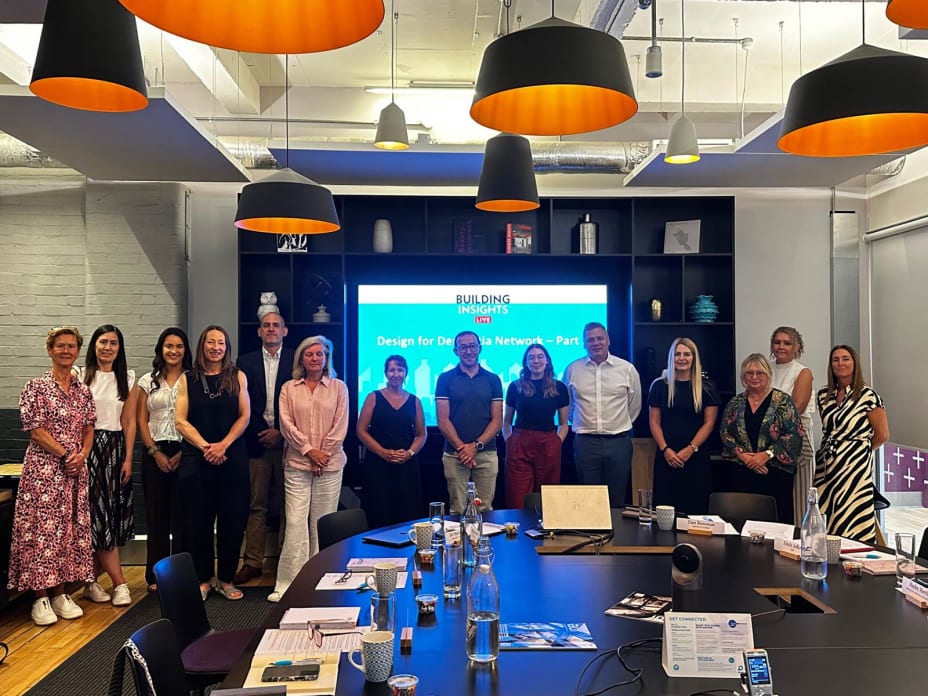
Attendees included: professionals from Building Insights Magazine, DUETcare Ltd, RIBA, Loughborough University, University of Stirling, Waston Batty Architects, PRP, the NHS National Estates Division, DDS Architects, Johnstone’s Trade Paints, and Amtico Flooring.
The discussion featured insights from a multidisciplinary panel, including academics, care professionals, architects, designers, and product manufacturers, who explored the key challenges and opportunities in creating inclusive environments.
Representing Amtico, our London Commercial Team Leader, Daniel Bowman and Design Manager, Karen Quaterman-Crisford, contributed to the conversation and were able to ask questions about the role of flooring in inclusive design.
Listen to the podcast covering the key highlights and insights from the panel’s discussion: Design for Dementia Network 2: Creating Supportive Spaces for Dementia Care | netMAGMedia Insights

The roundtable discussion was incredibly insightful and addressed the key challenges in designing not only for dementia, but for inclusive spaces as a whole. The significance of incorporating these design principles from the outset is just one area that could make a huge difference to the overall finish of a space, with all design considerations planned from the very beginning of a project.
One major barrier is the absence of formal regulations or standardised guidelines, which leads to inconsistency and oversight in critical design elements. Successful dementia-friendly environments require careful planning from the outset; retrofitting later often falls short of addressing the specific needs of neurodivergent conditions.
Every aspect of the environment, from layout and lighting to sound and tactile experiences, must work together to support a person’s cognitive and sensory abilities. When the sensory input is appropriately managed and all design elements align, the result is a more navigable, calming, and empowering space.
Thoughtful, inclusive design not only enhances quality of life but also promotes independence and dignity for people living with dementia. Importantly, considered dementia-friendly design not only supports those with cognitive impairments but also benefits everyone by promoting inclusivity, comfort, and ease of use for all users.
Inclusive design is an important topic, and one which is helping to shape our approach to flooring design at Amtico. It's not only a key design factor in the more obvious environments of healthcare and education - in fact, inclusivity and the consideration for the users of a space is important across all sectors.

Designing for Dementia
We’re committed to making designing for dementia more accessible with our Dementia Service Development Centre (DSDC) accredited flooring. Explore the foundations of inclusive design and the impact of flooring choices.